ServicesWhole Life Insurance
Whole Life Insurance in Burleson
Whole life coverage lasts your entire life, not a set number of years. Your premium is fixed on day one, and the policy builds cash value you can borrow against later. Already own a policy? We read it first and look at what it can still do before replacing it comes up.
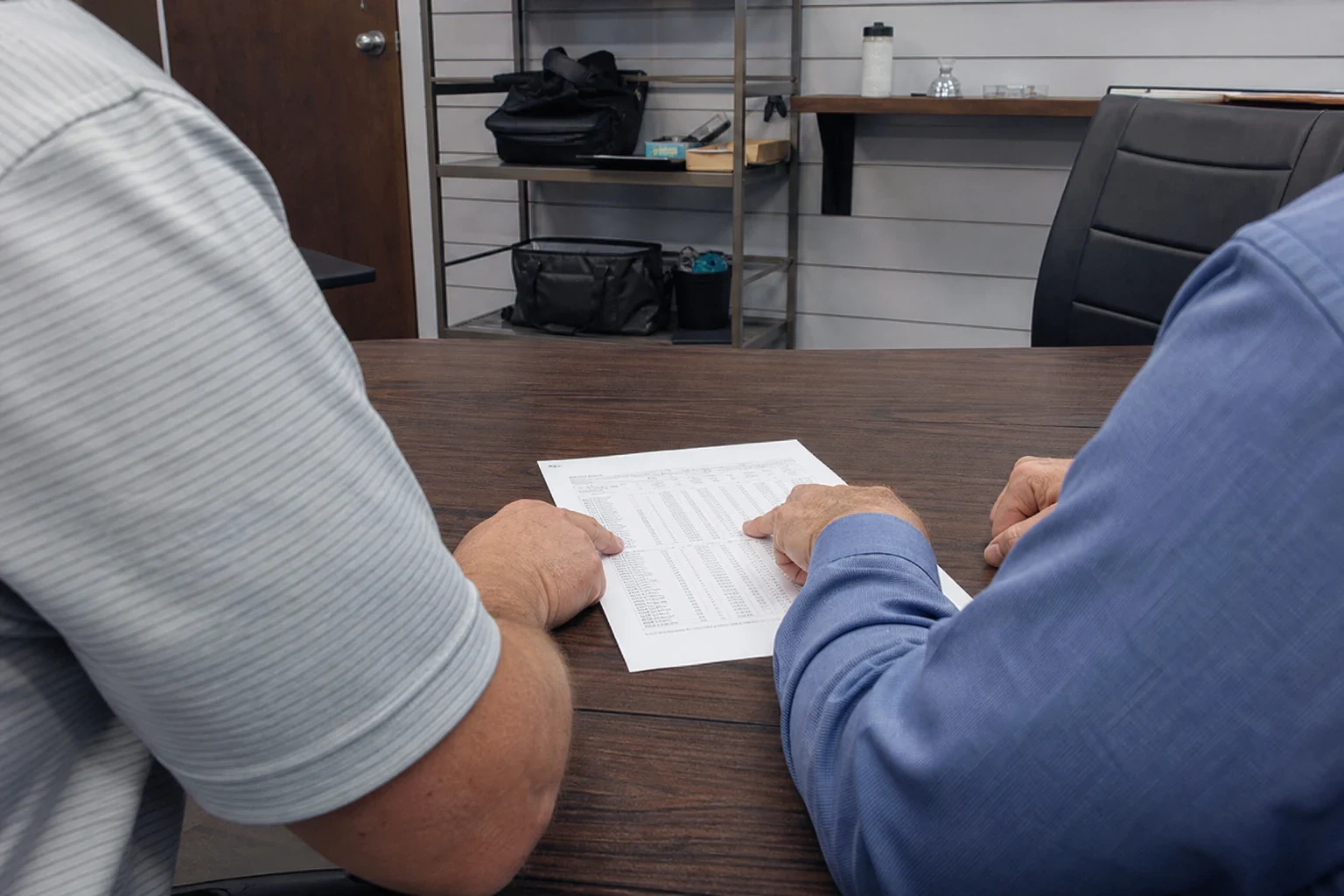
What whole life is and when it fits
Whole life is coverage that doesn't expire. As long as premiums are paid, the policy stays active and pays your beneficiary whether you die at 60 or 95. The premium is set when the policy is issued and doesn't change at 50, 70 or 90. Part of each payment builds cash value, which grows on a schedule written into the contract.
For the same coverage amount, it costs more than term life. That's the tradeoff. Whole life fits when you want coverage that never ends: income for a spouse who relies on you for life, a fixed sum to leave your children, money to keep a family business running, or a policy you expect to borrow against later. If the need goes away once the kids are grown or the mortgage is paid down, term life is much cheaper and suits the job better, and we'll tell you that directly.
A lot of callers already own a whole life policy bought years ago. We begin by reading it. In many cases the best step is to keep and adjust it rather than starting fresh.
What we do on a whole life policy
- A needs check before any quote
- We ask what the money is for, who depends on you and what you can pay each month without strain. The coverage amount comes from those answers, not from a chart.
- A review of the policy you already own
- We read your current contract, the cash value, any loans against it and the riders. Then we tell you plainly whether it still does the job.
- Options to keep an older policy working
- An existing policy can often be adjusted. Dividends can buy more paid-up coverage or lower your premium. A policy can be switched to reduced paid-up so you stop paying and keep a smaller amount of lifelong coverage. Riders you no longer need can sometimes be dropped.
- Side-by-side quotes when new coverage makes sense
- If a new policy is the better answer, we lay out the premium, the cash value schedule and the payment period for each option so you can compare them on paper.
- Beneficiary and rider setup
- We go over who gets paid, in what shares, and who is next in line. We explain riders like waiver of premium and accelerated benefits in everyday words.
When whole life deserves a closer look
A term policy is close to expiring
Term coverage simply stops on its end date. If you will still need protection after that, converting part of it or adding permanent coverage is worth weighing while the conversion window is open.
Someone will depend on you for life
A spouse with no retirement savings of their own, or an adult child with a disability, may need money for decades after a term policy has ended.
You own an old policy and are not sure what it does
Statements with cash value, dividends and loan balances can be hard to read. A plain review tells you what you actually have.
Someone is pushing you to replace a policy
Swapping one whole life policy for another can restart surrender charges and the two-year contestable period. Get a second set of eyes before you sign.
You want money to pass on
Whole life gives a set amount to your beneficiaries no matter when you die, which makes estate and family planning easier to pin down.
What moves the price of whole life
Whole life premiums are higher than term because the coverage lasts and the policy builds cash value. Once set, the premium stays level. The price you get depends mostly on who you are and how the policy is built.
Your age at the start
Each year you wait nudges the level premium up. Starting earlier locks in a lower rate that holds for life.
Health and tobacco use
Medical history and nicotine use set your rate class. Insurers look at prescriptions, past conditions and sometimes exam results.
Coverage amount
More coverage means a bigger monthly bill. We base the amount on what your family would actually need, so you are not paying for extra that serves no purpose.
How fast you pay it off
Paying until age 100 keeps each payment lower. A 10-pay or paid-up-at-65 schedule costs more per year but ends sooner.
Riders you add
Waiver of premium, child riders and other add-ons each carry a cost. We explain which ones matter for you and which do not.
How it goes from first call to policy
- 1
A phone conversation
You tell us what you want the coverage to do and whether you have a policy now. We ask about age, health and budget so the numbers are realistic.
- 2
Keep, adjust or replace
If you have a policy, we go through it with you and give an honest answer. Most of the time we start by trying to make the old one work.
- 3
Quotes and the application
For new coverage, we walk through each quote and help you fill out the application. Depending on age and the amount, the insurer may ask for a short medical exam or just health questions.
- 4
Delivery and a final read-through
When the insurer approves the policy, we go over the delivered contract with you by phone, one part at a time. Beneficiaries, premium dates and the cash value table should all match what you were told.

Whole life questions we hear often
Should I drop my old whole life policy for a new one?
Not before a careful review. A replacement is priced at your current age and health, may come with new surrender charges and starts a new contestable period. We look at what you own and suggest a change only when the numbers clearly support it.
What is cash value and how does it work?
A portion of every premium builds cash value on a guaranteed schedule. You can borrow against it or surrender the policy to collect it. Any loan left unpaid lowers what your beneficiary gets.
Which is better, whole life or term life?
That comes down to what the coverage needs to do. Term life gives you more coverage per dollar, but only for a set number of years. Whole life costs more, lasts for life and builds value. Some clients own both.
What if I can no longer afford the premium?
There are choices. Cash value can pay premiums for a time, or the policy can be turned into reduced paid-up coverage with no further payments. We walk through these before any policy is allowed to lapse.
Can you help if I live outside Burleson?
Yes. Our work is done by phone, so clients in Crowley, Joshua, Mansfield, Cleburne and other nearby towns get the same help.

Find out if your coverage can stay as it is
Share the policy you hold today and the job you need it to do. You will get a straight answer on keeping it, changing it or replacing it.